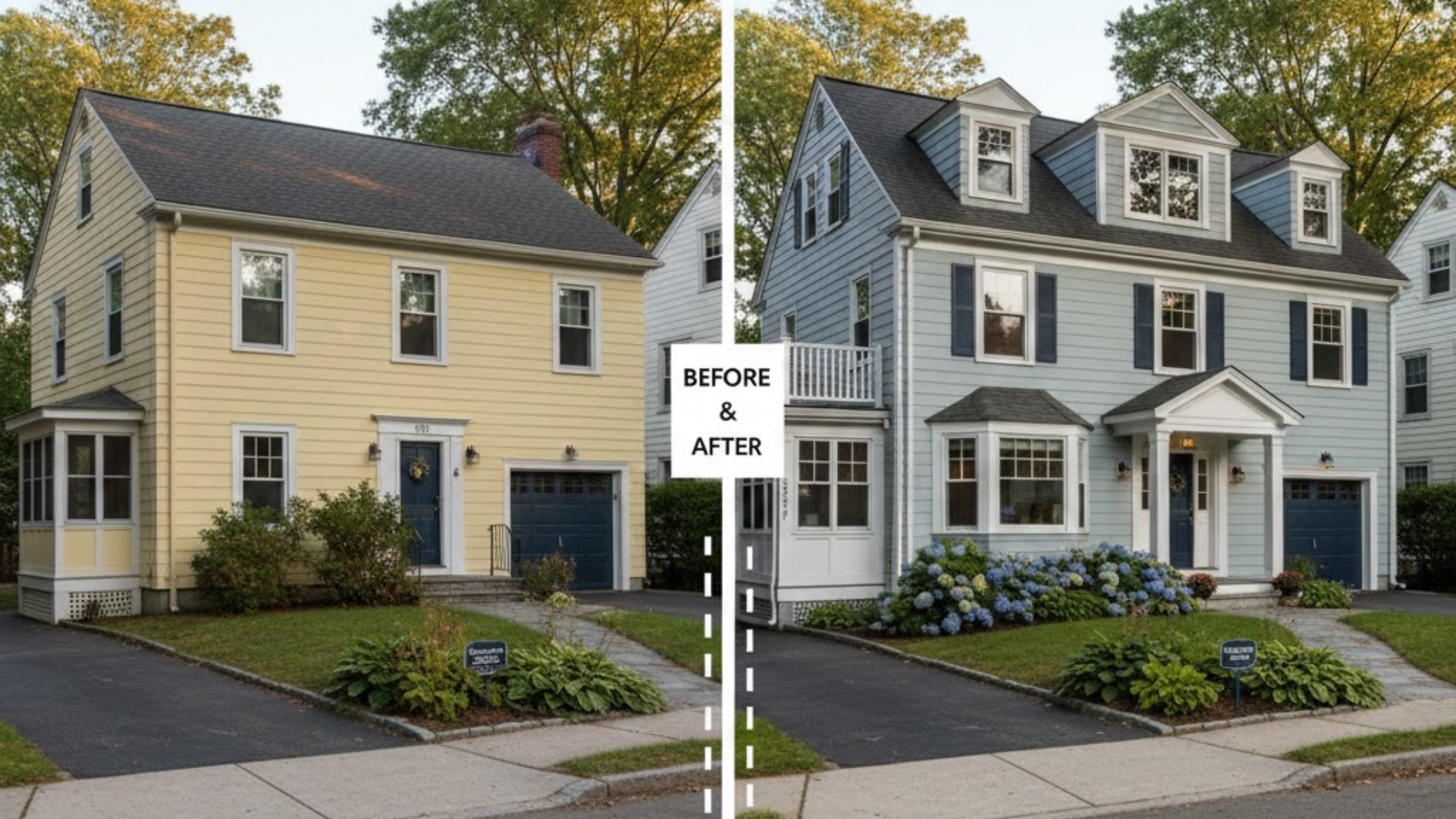
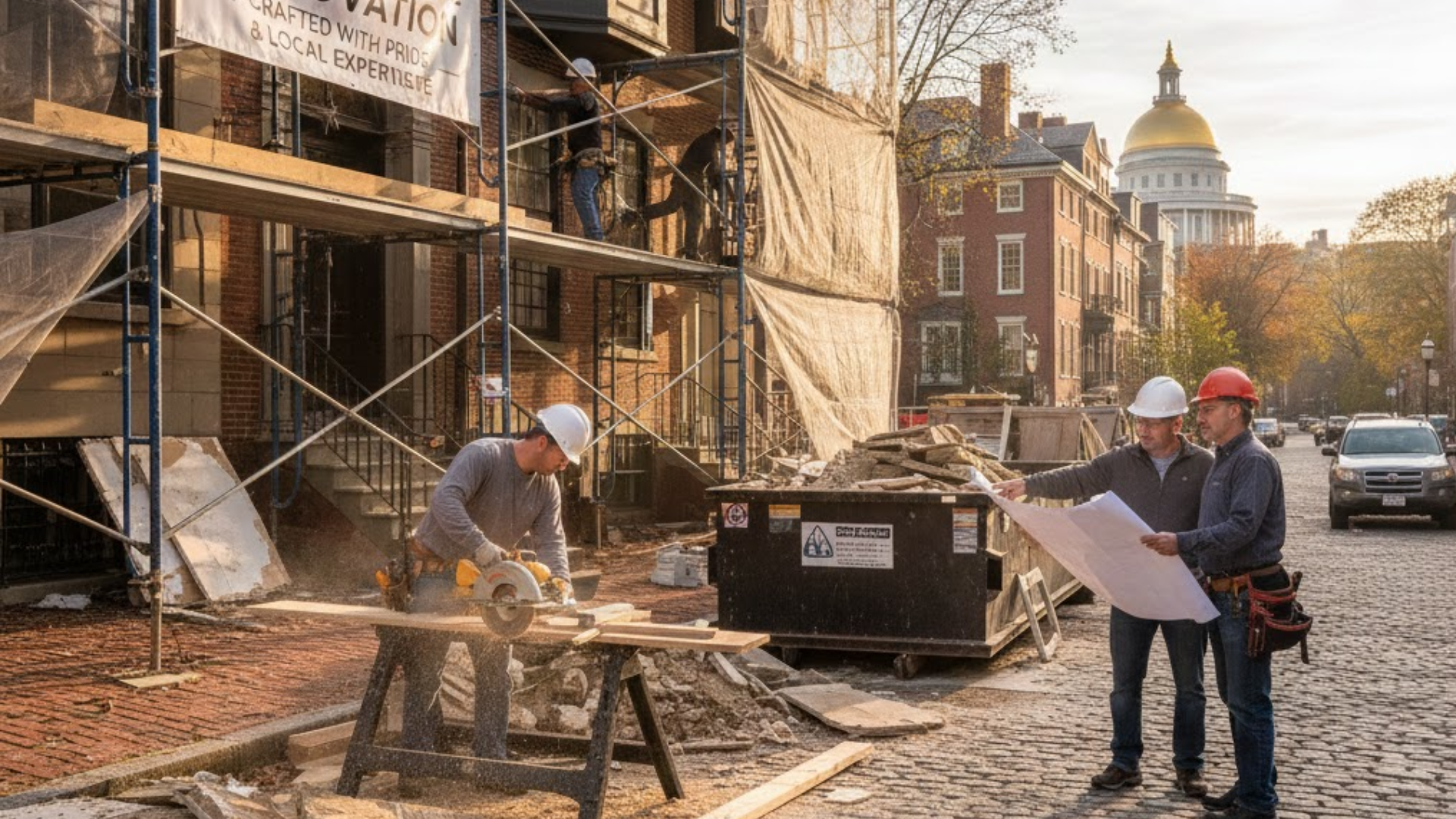
For many homeowners, remodeling begins with excitement. You start collecting inspiration photos, imagining new layouts, and picturing how much better your home will feel once the project is complete. Then reality sets in. Permits. Inspections. Regulations. Paperwork. Suddenly, what felt like a creative process starts to feel overwhelming and confusing.
We are Coen Construction, and as
general contractors Boston homeowners work with every day, we see this moment of uncertainty all the time. First-time remodelers often worry about doing something wrong, causing delays, or spending money in the wrong place. Others assume permits are optional, only to discover problems later when selling their home or scheduling inspections.
This beginner’s guide is designed to remove that uncertainty. We will walk you through what remodeling permits are, when they are required, and how regulations affect home projects in Boston. The goal is simple. Help you move forward with confidence instead of guesswork, and avoid common mistakes that cost homeowners time, money, and peace of mind.
A Local Perspective On Permits In Boston
Boston has some of the most detailed building regulations in the country, and there is a good reason for that. The city’s dense neighborhoods, historic housing stock, and evolving safety standards require careful oversight. Permits help ensure that changes made to one home do not create safety risks for neighboring properties or future occupants.
We have worked with homeowners who assumed a project did not require permits because it felt minor. Later, they discovered that electrical upgrades, wall removals, or plumbing changes triggered inspection requirements. Others inherited unpermitted work from previous owners, which complicated renovations or delayed home sales years later.
As general contractors Boston residents rely on, we have learned that addressing permits early is one of the most effective ways to avoid stress. When homeowners understand requirements upfront, timelines become clearer and budgets are easier to manage. Local experience matters here because Boston regulations can differ significantly from surrounding areas.
When Remodeling A Home, What Should Be Done First?
The first step in remodeling a home is planning, not demolition or material selection. Homeowners should begin by defining their goals, budget, and scope of work. This includes deciding which spaces will change, which systems may be affected, and how long they plan to stay in the home.
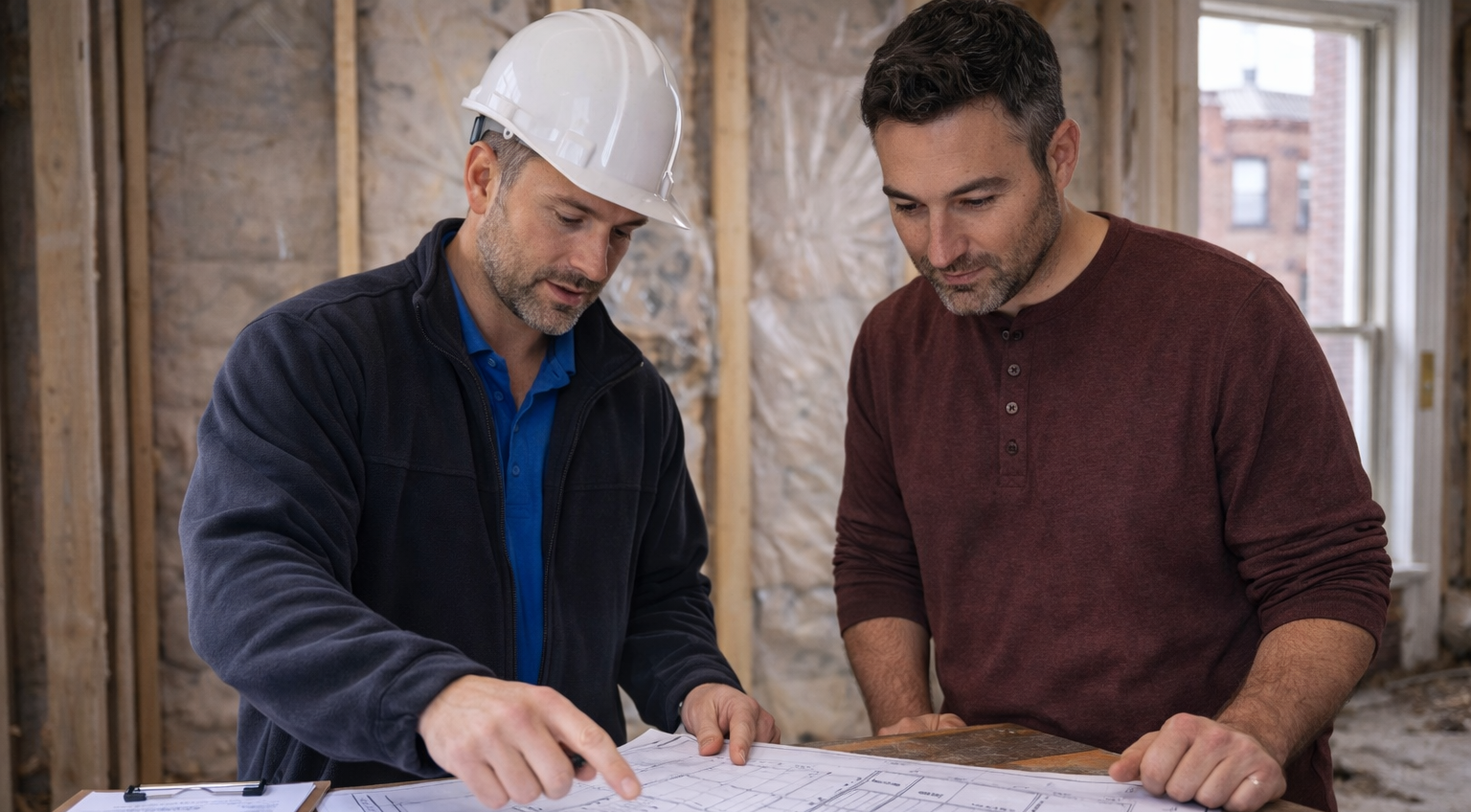
Once goals are clear, the next step is understanding permit requirements. This is where working with professionals makes a real difference. A contractor can determine whether your project involves structural changes, electrical upgrades, plumbing modifications, or zoning considerations, all of which typically require permits.
It is also a smart time to get quotes from qualified contractors. Comparing proposals helps homeowners understand realistic cost ranges and timelines. At Coen Construction, we help homeowners plan projects the right way, with clarity and compliance from day one. Starting with permits and planning prevents costly surprises once construction is underway.
What Are The Four Types Of Remodeling?
Most remodeling projects fall into four broad categories: cosmetic, structural, systems-based, and full renovations. Cosmetic remodeling includes surface-level changes like painting, flooring, cabinetry, or trim work. These projects often do not require permits if no regulated systems are altered.
Structural remodeling involves changes to walls, framing, or load-bearing elements. These projects almost always require permits and inspections due to safety concerns. Systems-based remodeling includes electrical, plumbing, HVAC, or gas work. These areas are heavily regulated because mistakes can create serious hazards.
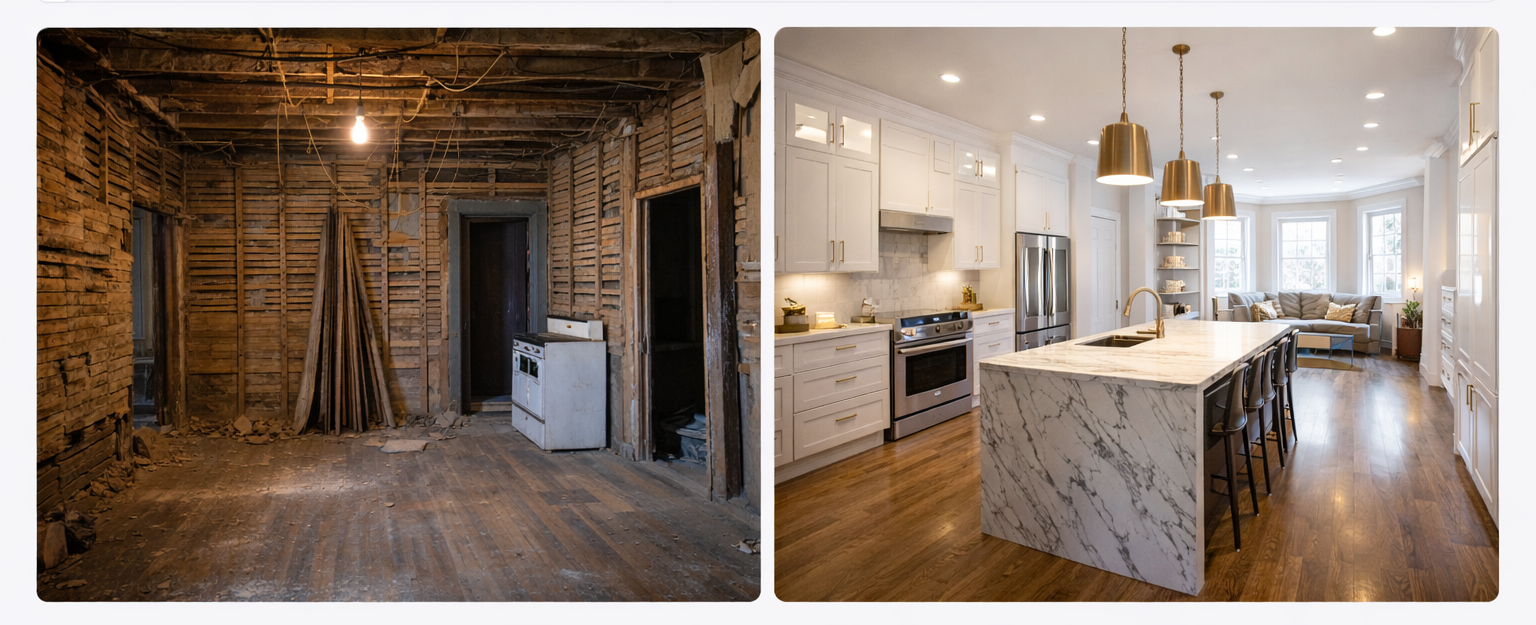
Full renovations combine multiple categories and typically require comprehensive permitting. Understanding which category your project fits into helps determine permit needs early. General contractors Boston homeowners trust can quickly identify these categories and guide homeowners through the appropriate approval process.
What Is The Difference Between A Building Permit And A Renovation Permit?
A building permit typically applies to work that affects a home’s structure, safety, or use of space. This includes additions, structural alterations, and major renovations. A renovation permit is often used informally to describe non-structural work, but in practice, most jurisdictions issue trade-specific permits instead.
Electrical, plumbing, and mechanical permits are often required alongside a building permit. According to the
City of Boston Inspectional Services Department, permits are required for most construction, alteration, or repair work that impacts building safety.
Understanding these distinctions helps homeowners avoid assuming a project is permit-free when it is not. This is one area where professional guidance from general contractors Boston homeowners work with regularly can prevent costly misunderstandings.
Why Permits Protect Homeowners, Not Just The City
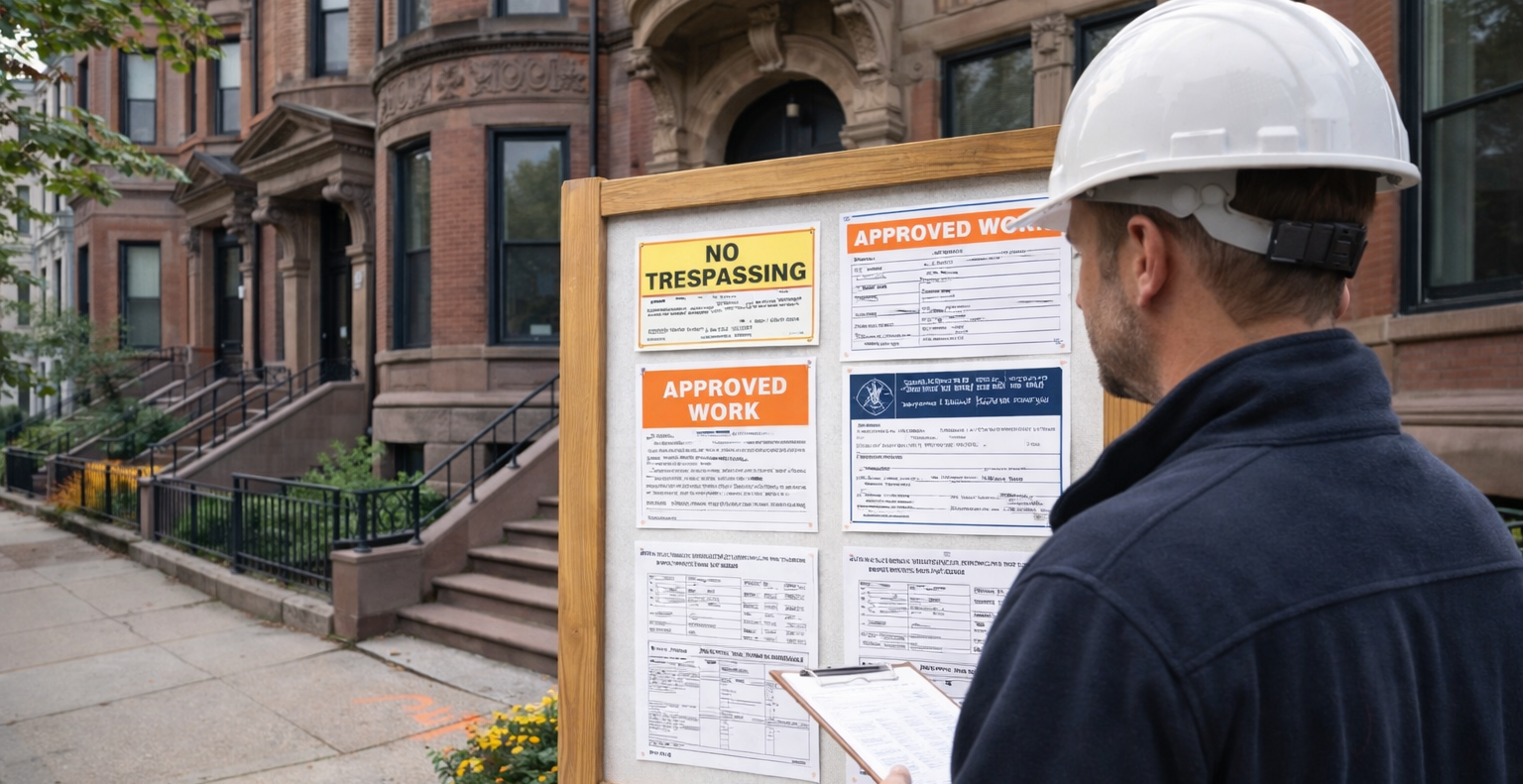
Permits exist to protect homeowners as much as they protect the city. Permitted work is inspected for safety, reducing the risk of electrical fires, structural failures, or plumbing issues. Permits also create an official record of approved improvements, which can be critical during resale or insurance claims.
Unpermitted work can result in fines, forced corrections, or delays during a home sale. We have seen homeowners lose negotiating power or face last-minute repair demands because permits were missing. As general contractors Boston homeowners rely on, we emphasize that proper permitting is part of protecting your investment, not just satisfying regulations.
Common Myths About Remodeling Permits
One common myth is that permits slow projects down. In reality, most delays occur when permit requirements are discovered late. Starting the process early often keeps projects moving smoothly. Another myth is that permits only apply to large projects. Even smaller remodels can require approval if systems are involved.
Some homeowners also believe permits are optional if they trust their contractor. The truth is that permits are ultimately the homeowner’s responsibility, even if the contractor manages the process. Clear communication and documentation matter.
How Contractors Handle Permits On Your Behalf
Professional contractors typically manage the permitting process as part of their service. This includes preparing drawings, submitting applications, scheduling inspections, and addressing questions from inspectors.
At
Coen Construction, we treat permits as part of the project, not an afterthought. We explain requirements upfront, factor permitting into timelines, and keep homeowners informed at every stage. This approach reduces surprises and keeps projects on track. Working with experienced general contractors Boston homeowners trust makes the process far more manageable.
Why DIY Permitting Can Create Problems
Some homeowners attempt to handle permits themselves to save money. While possible, this often leads to delays due to incomplete applications, missing documentation, or misunderstandings about requirements.
Contractors who work regularly with inspectors know what is expected and how to resolve issues efficiently. Relying on professional support simplifies the process and reduces stress, especially for first-time remodelers.
Planning Permits Into Your Budget And Timeline
Permits affect both cost and schedule. Fees vary by project type, and inspections must occur at specific stages of construction. Planning for these factors early keeps expectations realistic.
Getting quotes that include permitting costs allows homeowners to compare proposals accurately. It also prevents budget surprises once construction begins.
Final Thoughts
Home remodeling permits and regulations can feel intimidating, but they are an essential part of building safely and responsibly. Understanding what permits are required and why they matter gives homeowners confidence and control.
When permits are handled correctly, projects move forward with fewer delays, fewer risks, and better long-term results. For homeowners navigating Boston regulations for the first time, working with knowledgeable professionals makes all the difference.
Contact us today for a straightforward conversation. You can also learn more about how we work with general contractors Boston homeowners trust at https://www.coenconstruction.com/.
Follow our social media pages below: